
At Jodapris University, you are able to choose a course that fit your need and earn a certification or you can enroll in a degree program. We offer certification, Associate degree, Bachelor’s Degree, Master’s degree, and Doctorate degree. Our students learn online and meet with the instructor virtually if needed. You can study online, at your convenience, and around your family or professional schedule. Our courses are mainly preparing students and professionals to develop self-confidence in the knowledge and skills to be successful in landing your dream job or advancing to higher levels in your roles. You can choose from but not limited to:
- Business Administration
- Marketing
- Economics
- Finance
- Human Resources
- Leadership Management
- Project Management
- Mathematics and Statistics
- Computer Programming and Data Science
- Data Mining
- Cloud Computing
- Power BI (Business Intelligence)
- Logistics
- Business Administration

Business administration is understood as the management of all aspects of a business’s performance, decisions, and organization. It takes into consideration the day to day operations, aspects of the business including finances and human resources, and ensures the company stays aligned to the goal or mission. In today’s businesses, it also means making critical decisions about a business’s information systems, being up to date on modern information systems, and leading companies through change because of technology adoption.
Courses:
- Accounting and Financial Management
- Business Analytics
- Business leadership
- Business and Technology
- Business Management
- Corporate Innovation
- Digital Leadership
- Digital Strategy and Action
- Entrepreneurship in Emerging Economies
- Family Businesses: Entrepreneurship and Leadership to Transcend
- Improving Your Business Through a Culture of Health
- Leadership in the Family Business
- People Management
- People Management
- The Business of Aging in the Longevity Economy
- Venture Capital
2. Marketing
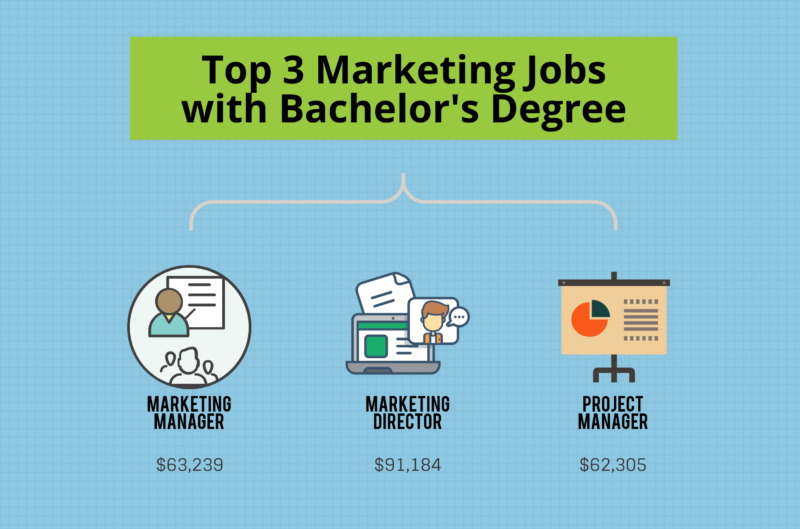
Someone who wants to work in marketing needs to have certain skills. They need to be good at public speaking, communication, analytical thinking, creativity, negotiating, stress management, and possess good technical skills. In order to develop these skills, there are a number of courses you can take. Marketing is the management process through which goods and services transition from the manufacturer or provider to a finished product that reaches the consumer. Marketing is everything you do to place your product or service in the hands of potential customers.
Courses:
- Business Principles and Entrepreneurial Thought
- Customer-Centric Marketing for Entrepreneurs
- Digital Leadership
- Digital Strategy and Action
- Digital Product Management
- Digital Transformation: Business Development and Marketing
- Marketing Essentials
- Marketing Analytics
- Marketing Analytics: Marketing Measurement Strategy
- Marketing Analytics: Products, Distribution and Sales
- Marketing Analytics: Competitive Analysis and market Segmentation
- Marketing Analytics: Price and Promotion Analytics
- Marketing Fundamentals: Who is your customer?
- Marketing in a Digital World
- Marketing Management
- Marketing Innovative Products and Services
- Marketing Foundations
- Managing Marketing in the Hospitality and Tourism Industry
- Online Marketing Strategies
- Retail and Omnichannel Management
- Services Marketing: Concepts and Applications
- Social Media: How Media Got Social
- Strategic Social Media Marketing
- Quantitative Marketing Research
3. Economics
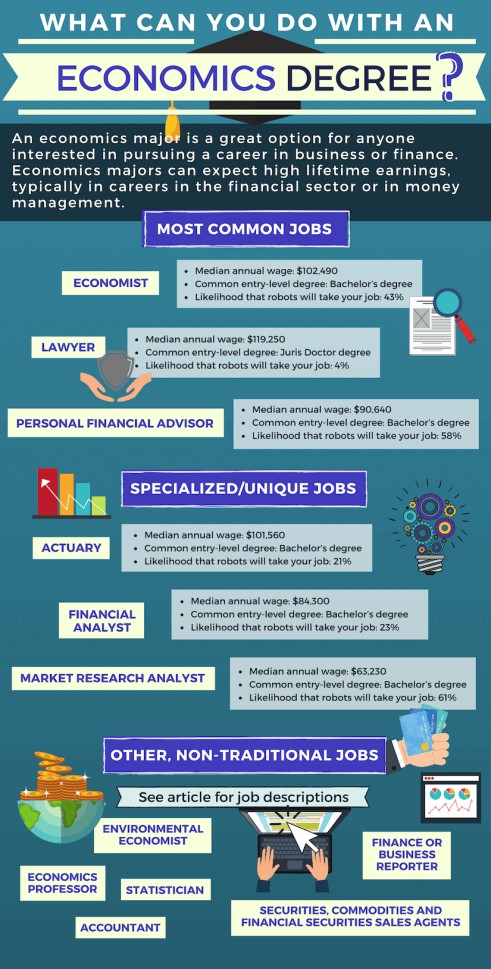
Taking a course in economics can help you understand a wide range of topics that drive economic policy and financial decision making. Learn about both macroeconomics and microeconomics. Study theories of economic growth, economic policy, economic development, socio-economic policy, risk management, debt sustainability, pricing models, and more.
Courses:
- Behavioral Economics in Action
- Disaster Medicine Training
- Capstone Economics and Policies for a circular Economy
- Climate Change: Financial Risks and Opportunities
- China – Understanding the Fundamentals
- China’s Financial Market: Banks, Bonds, and Equities
- China’s Unique Hybrid Economy
- Economics: Consumer Demand
- Economic Development
- Economics and Policies in a Biobased Economy
- Economics and Policies for a circular Bio-Economy
- Macroeconomics
- Microeconomics
- Political Economy and Economic Development
- Policy Analysis Using Interrupted Time Series
- Structural Materials: Selection and Economics
- Trading and Development
- The Challenges of Global Poverty
- The Business of Aging in the Longevity Economy
- The Transition to the Decarbonised Economy of Tomorrow
4. Finance
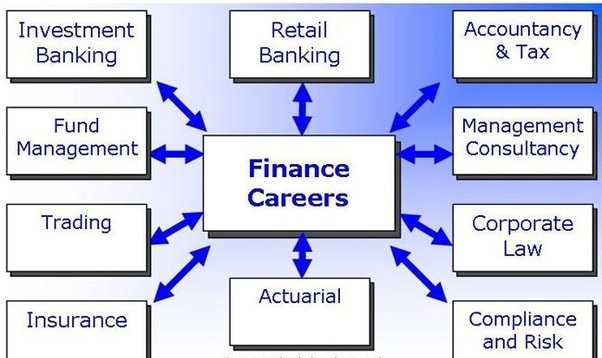
Learn finance online with a wide variety of introductory and advanced courses to help you transition to a new field or advance your career. Finance encompasses all decisions that involve money and can apply to individuals, businesses and public entities. Personal finance includes all individual or household financial management including personal asset management, credit card debt management, saving for retirement and budgeting for household expenses, school, mortgage payments and more.
Courses:
- Brokerage Operations
- Budgeting and Finance for Public Libraries
- Business Management
- Corporate Finance
- Deep Learning and Neural Networks for Financial Engineering
- Faith and Finance
- Finance
- Finance Essentials
- Financial Market Analysis
- Financial Accounting
- Financial Development
- Financial Management in Organizations
- Financial Development and Financial Inclusion
- Foundations of Modern Finance I
- Foundations of Modern Finance II
- Introduction to Corporate Finance
- Mathematical Methods for Quantitative Finance
- Management in Engineering: Accounting and Planning
- Project Finance: Funding Projects Successfully
- Risk and Return
- Taxes and Decision Making
5. Human Resources (HR)
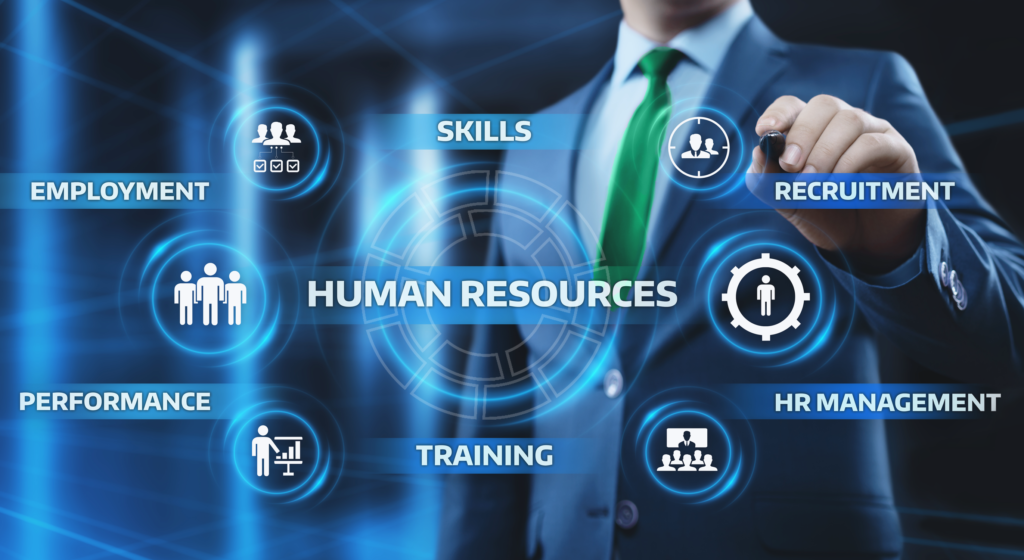
Human resources is a terminology used to describe both the people who work for a company or organization and the department responsible for managing resources related to employees. The human resources term was first coined in the 1960s when the value of labor relations began to garner attention and when notions such as motivation, organizational behavior, and selection assessments began to take shape. We are offering courses that are focusing on all aspect of human resources, from HR management, Recruiting fundamentals, to staff development and training.
Courses:
- People and Organizations
- Human Resources Analytics
- Human Resources – Recruiting and Selection
- Preparing to Manage HR
- Urban Labor Markets and Employment Policy
- Managing Human Capital
- Strategic HR Management
- International and Strategic Resources Management
- Administrative Human Resources
- Sexual Harassment Prevention for Managers
- Talent Management and Succession
- Ethical and Professional Human Resources
6. Leadership & Management

Leadership and management are different but complementary skills. Leadership is a soft talent. It revolves around influence, motivation, drive, and other unquantifiable skills. Yet, while leaders set the direction, they must also use management skills to guide their people to the right destination, in a smooth and efficient way. Leadership is the ability to empower, contribute, solve problems, be innovative and most importantly, be able to guide a group of people into achieving goals. Leadership is the ability of a company’s management to set and achieve goals, take rapid and decisive action, outperform the competition, and inspire others to perform well.
Courses:
- Agile Leadership Principles and Practices
- Adaptive Leadership in Development
- Becoming a Successful Leader (Inclusive Leadership Training)
- Becoming an Effective Leader
- Becoming an Effective Leader
- Business Leadership
- Digital Leadership
- Digital Transformation: Leadership
- Dealing with Power and Dynamics: Discover your Leadership Style
- Exercising Leadership: Foundational Principles
- Ethical Leadership in a Changing World
- Global Business Leadership and Management
- Inclusive Leadership
- Innovation Leadership
- Leadership Essentials
- Leadership Essentials for Engineers
- Leading the Organization
- Leadership and Influence
- Leadership and Management
- Leadership and Organization behavior
- Leadership in Family Business
- Leadership and Management in Education
- Leading with Effective Communication
- Leadership and Management for PM Practitioners in IT
- Rise to Leadership: Become a CEO
- Strategic Leadership healthcare
7. Project Management
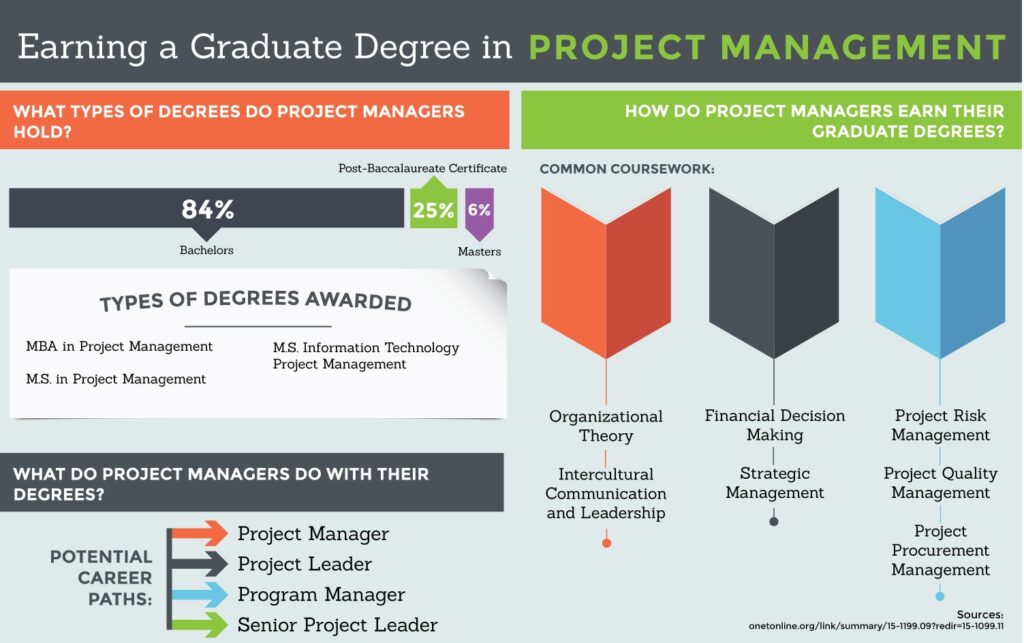
Explore online courses and graduate-level programs in project management from major universities and institutions. Project management includes the application of specialized skills, knowledge, processes and procedures to successfully take a project from start to finish. A project can include any type of temporary initiative or goal, from developing a software program to putting an addition on a house. Project managers study the project scope and requirements and develop plans and systems to achieve project goals within specified parameters including time frame and budget. Skills required for project management include communications, leadership, risk management, time management, analytics and more.
Courses:
- Agile Project Management
- Best Practices for Project Management Success
- Engineering Project Management: Mastering Project Complexity
- Introduction to Project Management
- International Project Management
- IT Project Management
- Leadership and Management for PM Practitioners in IT
- Project Management
- Project Management for Development
- Project Management Life Cycle
- Project Management Micro-Masters Capstone Exam
- Project Management of Engineering Projects: Preparing for Success
- Project Management: Mastering Complexity
- Results-Based Project Management: Monitoring and Evaluation
8. Mathematics & Statistics
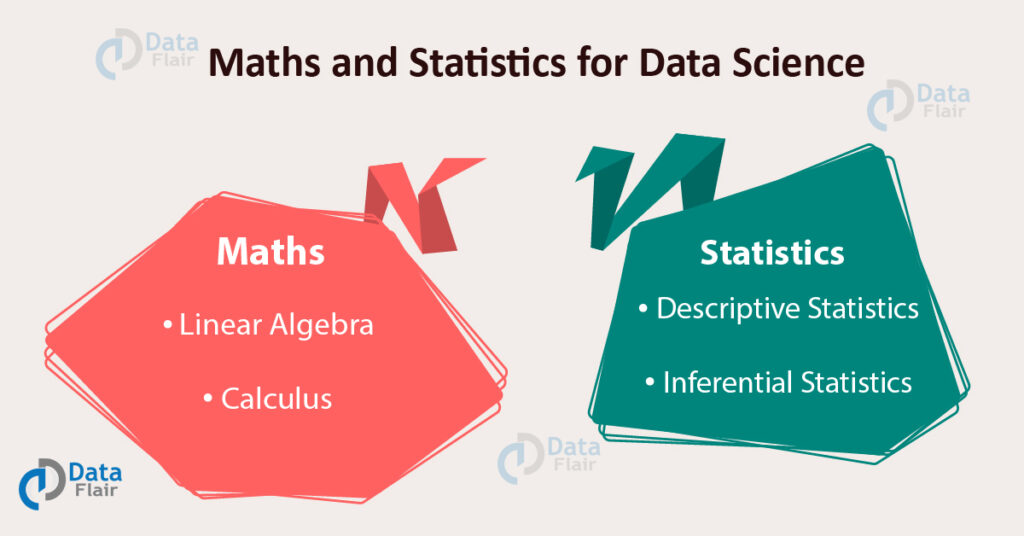
Statistics is an area of mathematics that deals with the study of data. Data sets can include population data with machine learning, sampling distributions, survey results, data analysis, normal distribution, hypothesis testing, data collected from experiments and much more. Various statistical models can be applied in order to analyze and interpret the results of a set of data or to find relationships between different data sets.
Courses:
- Compilation Basics for Macroeconomic Statistics
- Fundamentals of Statistics
- Impact Evaluation Methods with Applications
- Math TrackX: Statistics
- Probability and Statistics in Data Science using Python
- Probability and Statistics I: A Gentle Introduction to Probability
- Probability and Statistics II: Random Variables
- Probability and Statistics III: A Gentle Introduction to Statistics
- Probability and Statistics IV: Confidence Intervals and Hypothesis
- Statistics and Data Science
- Statistics for Business
- Statistics and R
- Statistical Analysis in Bioinformatics
9. Computer Programming For Data Science
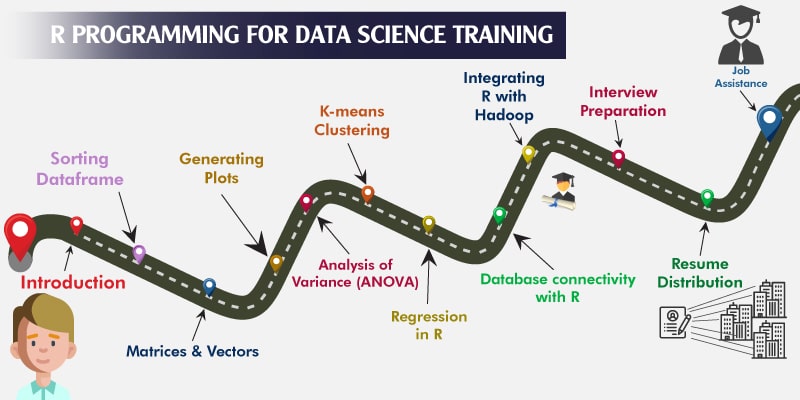
Computer programming is the process of writing instructions that get executed by computers. The instructions, also known as code, are written in a programming language that the computer can understand and use to perform a task or solve a problem for data science.
Courses:
- Artificial Intelligence
- Computer Science for web Programming
- Computer Science for Game Development
- Computer Science for Artificial Intelligence
- Computer Science and Mobile Apps
- Computer Science
- Computational Thinking using Python
- Computer Science Essentials for Software Development
- Front-End Web Developer
- HTML5
- Introduction to Computer Science
- IBM Data Science
- Microsoft Data Science
- Python Data Science
- Programming for Everybody
10. Data Mining
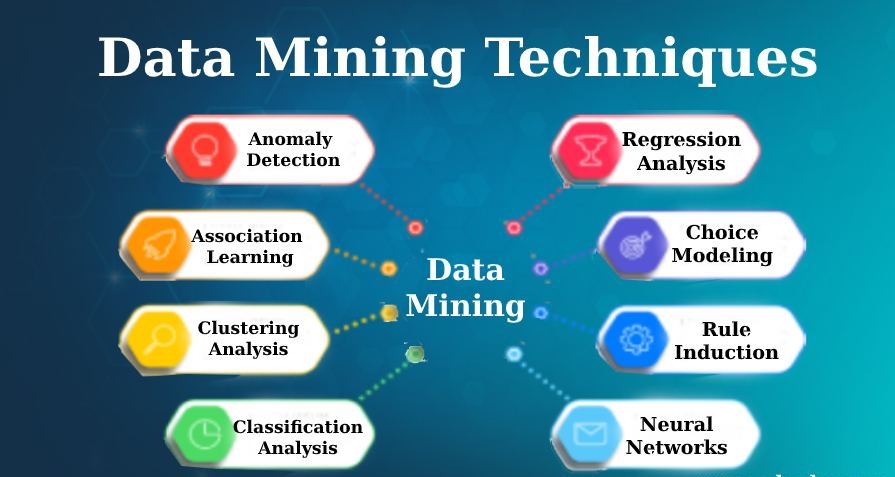
Students can learn data mining skills, tools and techniques in analytics, statistics and programming courses. Courses in big data, for example, will teach you essential data mining tools such as Spark, R and Hadoop as well as programming languages like Java and Python. Data mining is the process of analyzing a data set to find insights. Once data is collected in the data warehouse, the data mining process begins and involves everything from cleaning the data of incomplete records to creating visualizations of findings. Data mining is usually associated with the analysis of the large data sets present in the fields of big data, machine learning and artificial intelligence.
Courses:
- Big Data Fundamentals
- Big Data and Education
- Computing for Data Analysis
- Data Mining: Theories and Algorithms for tackling Big Data
11. Cloud Computing
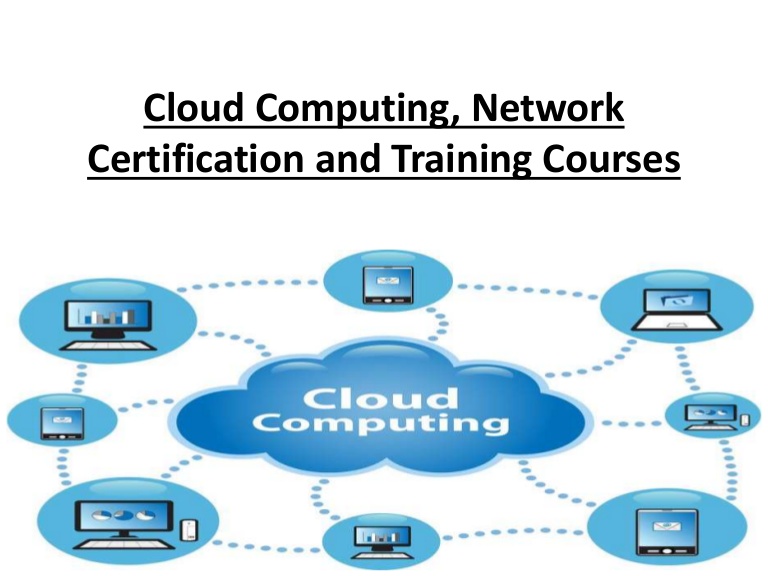
Enroll in introductory and advanced cloud computing courses and gain advanced knowledge with a Micro-Master’s program that will teach you how to design, implement and manage complete cloud computing systems. Learn how to design distributed cloud computing applications, learn about efficient cloud architecture and understand how to implement important cloud security features to protect against hackers.
Courses:
- Digital Ecosystem Infrastructure
- Introduction to Cloud Infrastructure technologies
- Industry 4.0: How to Revolutionize Your Business
- Knowledge Management and Big Data in Business
- Cloud Computing Engineering and management
- Cloud Computing
- Cloud Computing for Enterprises
- Cloud Computing for Infrastructure
- Cloud Computing Security
12. Power BI (Business Intelligence)
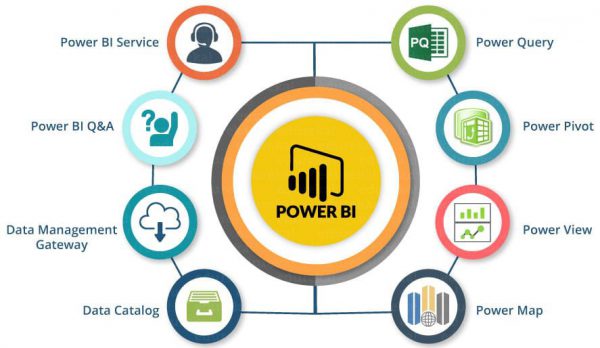
Microsoft Power BI is one of the most robust business intelligence platforms available for data modeling. It uses real-time Power BI dashboards to sort through and present data from multiple sources, giving businesses a better handle on their customers, operations, and future. Power BI is an analytics tool developed by Microsoft that turns your bits of unstructured data into a visually compelling story. It consists of the Power BI Desktop, the SaaS Power BI Service, and a range of mobile apps (iOS and Android compatible). These tools take big data and help your business or organization ask the right questions and receive actionable insights.
Courses:
- Analyzing and Visualizing Data with Power BI
- Basic of Power BI
- Business Analytics for Data-Driven Decision Making
13. Logistics
There are several excellent Online Logistics Courses that we did put together to aspiring logistics professional that offers local and international professional qualifications in logistics. These Online Logistics Courses bring unique benefits to the standards you would expect from an international organization. Online Logistics Courses are self-paced to make it easy for our students to learn at their convenience. There is a professional certificate that will be awarded by Jodapris University which will add value to your inter international market exposure and recognition upon successful completion of this course. The objective of this Online Logistics Courses is to enable aspiring logistics professionals to increase their confidence, knowledge, and skills in Logistics Business.
Courses:
- SAP: Supply Chain Logistics in R/3
- Supply Chain Logistics
- Lean Six Sigma Black Belt Training
- Logistics for Management Consultants – A Practical Guide
- Supply Chain Operations
- SAP Logistic Execution